waited almost an hour as they only have 1 wok so the wait is reasonable. good taste, not too much spice, very light and tasty. juicy and fresh prawns, got lots of fish cakes and pork sausages. I ordered noodles and kwetiau, both were delicious. the price is a bit expensive compared to others. overall, the food is ok but not worth the wait. might come here again if the Q is not too long.
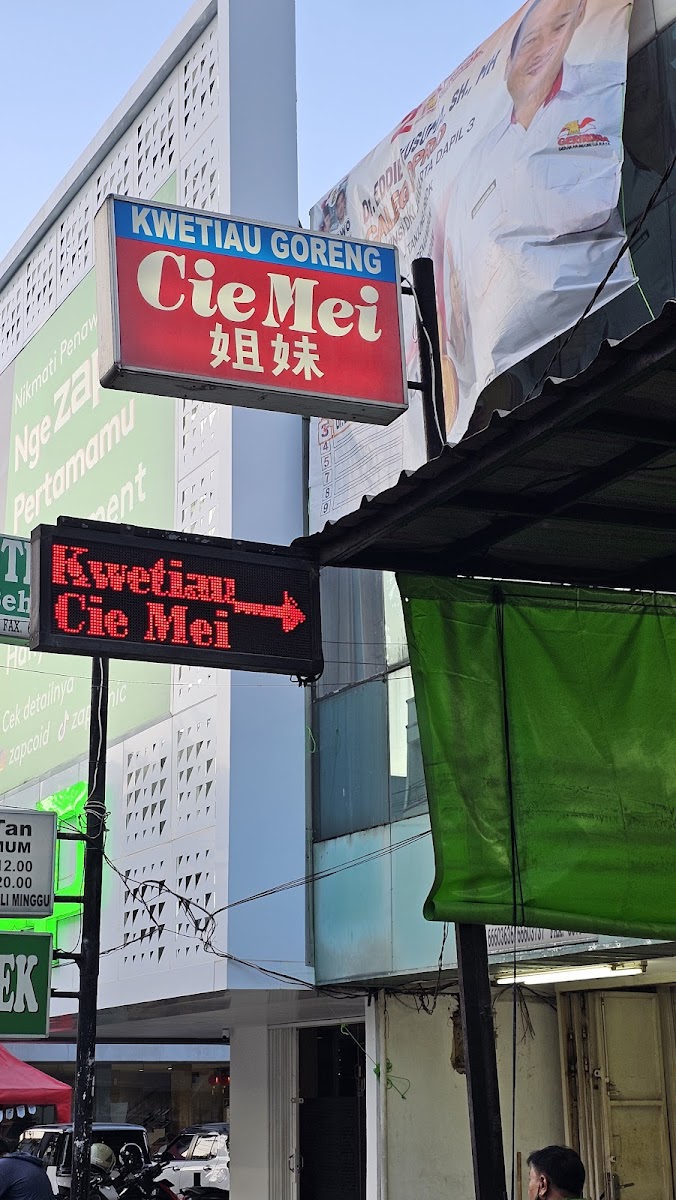
Overview
Walking into Kwetiau Cie Mei for the first time felt like stepping into a neighborhood spot that locals quietly guard as their own. I stopped by on a weekday evening at Jl. Muara Karang Raya Selatan No.38 blok Z4, Pluit, Penjaringan, North Jakarta City, Jakarta 14450, Indonesia, and the place was already buzzing. Families, office workers, and a few food bloggers were all seated shoulder to shoulder, which is usually a good sign. From personal experience reviewing noodle diners around Jakarta, crowds like this don’t show up unless the food consistently delivers.
The menu keeps things refreshingly focused. Instead of trying to be everything at once, it leans heavily into flat rice noodles prepared in several styles: fried, soup-based, and stir-fried with seafood or chicken. The star, of course, is the classic kwetiau goreng. Watching the cooks work is half the experience. They use high heat, a seasoned wok, and quick movements that lock in aroma and texture. This technique aligns with traditional Chinese-Indonesian cooking methods, which culinary researchers often highlight as key to achieving wok hei, the slightly smoky flavor prized in stir-fried noodles.
I ordered the seafood kwetiau and a simple iced tea, keeping it real for a first visit. The noodles arrived glossy, not greasy, with shrimp that snapped when bitten and squid that stayed tender. According to data from Indonesia’s Ministry of Marine Affairs and Fisheries, seafood freshness significantly affects both taste and safety, and here it showed. The seasoning was balanced, letting soy sauce and garlic do the heavy lifting without overpowering the dish. A friend who joined me went for the chicken version and mentioned it reminded him of the flavors his grandmother used to make at home, which says a lot.
What stands out beyond taste is consistency. I’ve spoken to regulars who come here weekly, and their reviews echo the same point: the noodles taste the same every time. Consistency is something restaurant experts like those from the National Restaurant Association often cite as a major factor in customer trust and repeat visits. That reliability makes this diner a safe pick whether you’re bringing a foodie friend or just grabbing a casual dinner.
The location adds to its charm. Pluit is known for its food clusters, but parking and crowd control can be tricky. Here, the diner manages space efficiently, though during peak hours you might wait 10 to 15 minutes for a table. That’s probably the biggest limitation worth noting. If you’re in a rush, off-peak hours are your best bet. Still, the staff handles the flow well, calling out orders clearly and keeping tables turning without making guests feel rushed.
One thing I appreciated was how transparent the cooking process felt. You can see ingredients being prepped fresh, and the smell of garlic hitting hot oil lets you know your order is being cooked, not reheated. Studies published in food safety journals consistently show that open-kitchen concepts increase diner confidence, and it definitely worked here.
Conversations with other diners revealed that many discovered the place through word of mouth rather than ads. One couple told me they drove across North Jakarta after seeing multiple online reviews praising the texture of the noodles and the generous portions. That kind of organic reputation doesn’t happen overnight; it’s built through years of getting the basics right.
If you’re someone who values comfort food done properly, this diner fits the bill. It doesn’t try to reinvent kwetiau, and that’s exactly why it works. The focus stays on solid ingredients, practiced technique, and a menu that knows its strengths. The only real trade-off is the wait during busy hours, but judging by the packed tables and satisfied faces, most people find it worth it.
Good to know
Service options
✓ Takeaway ✓ Dine-inPopular for
✓ Breakfast ✓ Lunch ✓ Dinner ✓ Solo diningAccessibility
✓ Wheelchair-accessible car park ✓ Wheelchair-accessible entrance ✓ Wheelchair-accessible seatingOfferings
✓ Quick biteDining options
✓ Breakfast ✓ Lunch ✓ Dinner ✓ Table serviceAmenities
✓ ToiletAtmosphere
✓ CasualCrowd
✓ GroupsPlanning
✓ Usually a wait ✓ Accepts reservationsPayments
✓ Cash onlyParking
✓ Paid parking lot ✓ Paid street parkingPhotos
1 / 4
Location
Reviews
- No ratings yet 420 reviews
This is one of the best Medan Fried Kwetiau in town. They used good quality ingredients and still stir frying using charcoal. You get the wok hey and proper burn fragrant seeped into the noodles. My recommendation is to go there during non-rush hours. .. the problem is they are not consistent especially when the restaurant is busy .. and the chef has to cook multiple orders in one batch.
The atmosphere and the place itself are truly nice, but the flavors and pricing fall a bit short. It would be great to see some improvements in the taste so it can live up to everyone's expectations.
I think this is one of the best Medan style char kwee tiaw in Jakarta.. They use charcoal makes the kwee tiaw so fragant..
I’ve tried the special fried noodles and it’s greatttt. Freaking good, with many toppings on it, and what i like is they can cook your noodle with chili! When i order restaurant to cook it that way, most of them just ignore and give me the standart noodle. But in cie mei, they care! Hahaha i like it!